
You know the moment. The plates are cleared, the conversation is still going, and suddenly all you want is the couch. An hour later you are looking at the dessert table again, even though you were full not long ago.
Most people blame the turkey. The real story is less about one ingredient and more about how a big, mixed meal moves through your body. The good news: you don't need to skip the stuffing or say no to pie to feel better afterwards. A few small habits change how the meal lands.
- The after-dinner slump is a normal response to a large, carb-rich meal.
- Eating vegetables and protein first can lower the rise in blood sugar.
- A short walk after eating helps your muscles use glucose.
- Enjoy dessert with the meal rather than on its own later.
- One big meal is just one meal: your everyday routine matters more.
What actually happens after a big meal
Every meal starts the same way. In your gut, digestive enzymes break carbohydrates down into glucose, and fats into smaller pieces your body can absorb. Glucose then moves into your blood, and insulin helps your muscles and liver take it up.
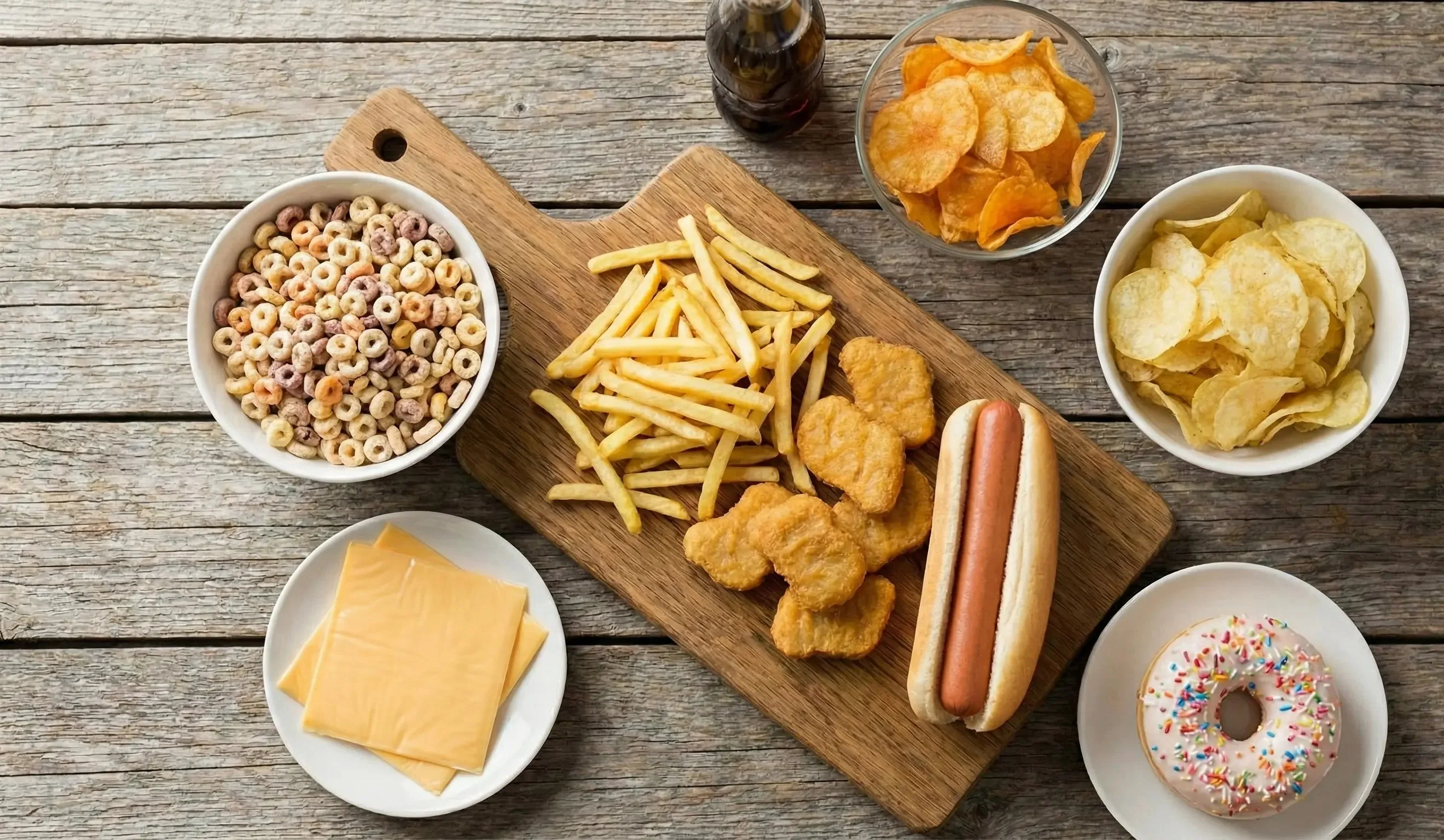
A holiday meal simply does all of this at a larger scale. Mashed potatoes, bread rolls, sweet sides and dessert arrive close together, and much of it is quick to digest. Blood sugar rises faster and higher than after an ordinary dinner.
What goes up quickly tends to come down quickly. That drop is what many people feel as the classic after-dinner slump:
- heavy, sleepy tiredness
- a foggy, low-energy feeling
- a return of hunger or cravings, often for something sweet
None of this means something is wrong. It's a normal response to a large, carb-rich meal. But if you'd like to feel steadier, the speed of digestion is the lever you can actually pull.
Five habits that help you feel steadier
1. Start with vegetables and protein
The order you eat in matters more than most people expect. In a small study published in Diabetes Care, people who ate vegetables and protein first, and carbohydrates about 15 minutes later, had noticeably lower blood sugar after the meal than when they ate the carbs first. The food on the plate was the same; only the order changed.
At a holiday table, that can be as simple as filling the first round with turkey, green beans, salad and roasted vegetables, then going back for potatoes and rolls.
2. Don't arrive starving
Skipping meals "to save room" often backfires. When you sit down very hungry, you tend to eat faster and reach for the quickest energy first: bread, chips, crackers. A normal breakfast or lunch with some protein and fiber makes it easier to eat at a calmer pace later.
3. Take a short walk after eating
Moving your muscles after a meal helps them use glucose from your blood. A 2022 review in Sports Medicine found that even light walking for a few minutes after eating lowered blood sugar compared with sitting or standing still. A ten-minute walk around the block between dinner and dessert is a good family tradition to start.
4. Have dessert with the meal, not on its own later
A slice of pie eaten on an empty stomach in the evening hits differently than the same slice after a meal with protein, fat and fiber. If you love dessert, enjoy it close to the main meal rather than as a separate snack two hours later.
5. Keep your routine the next day
One big meal does not undo anything. What matters more is getting back to your usual rhythm: regular meals, some movement and good sleep. Think of the holidays as a few special days inside a steady routine, not a reason to start over in January.
Where SIGRID fits in
All five habits work by changing how quickly a meal is digested. SiPore®, the technology behind SIGRID products, works on the same idea from the inside. It is made of precisely engineered particles that work locally in the gut. Evidence from preclinical research shows that SiPore® traps digestive enzymes like amylase and lipase, slowing the breakdown of carbs and fats, so energy from the meal enters your system more gradually. SiPore® does not enter the bloodstream.
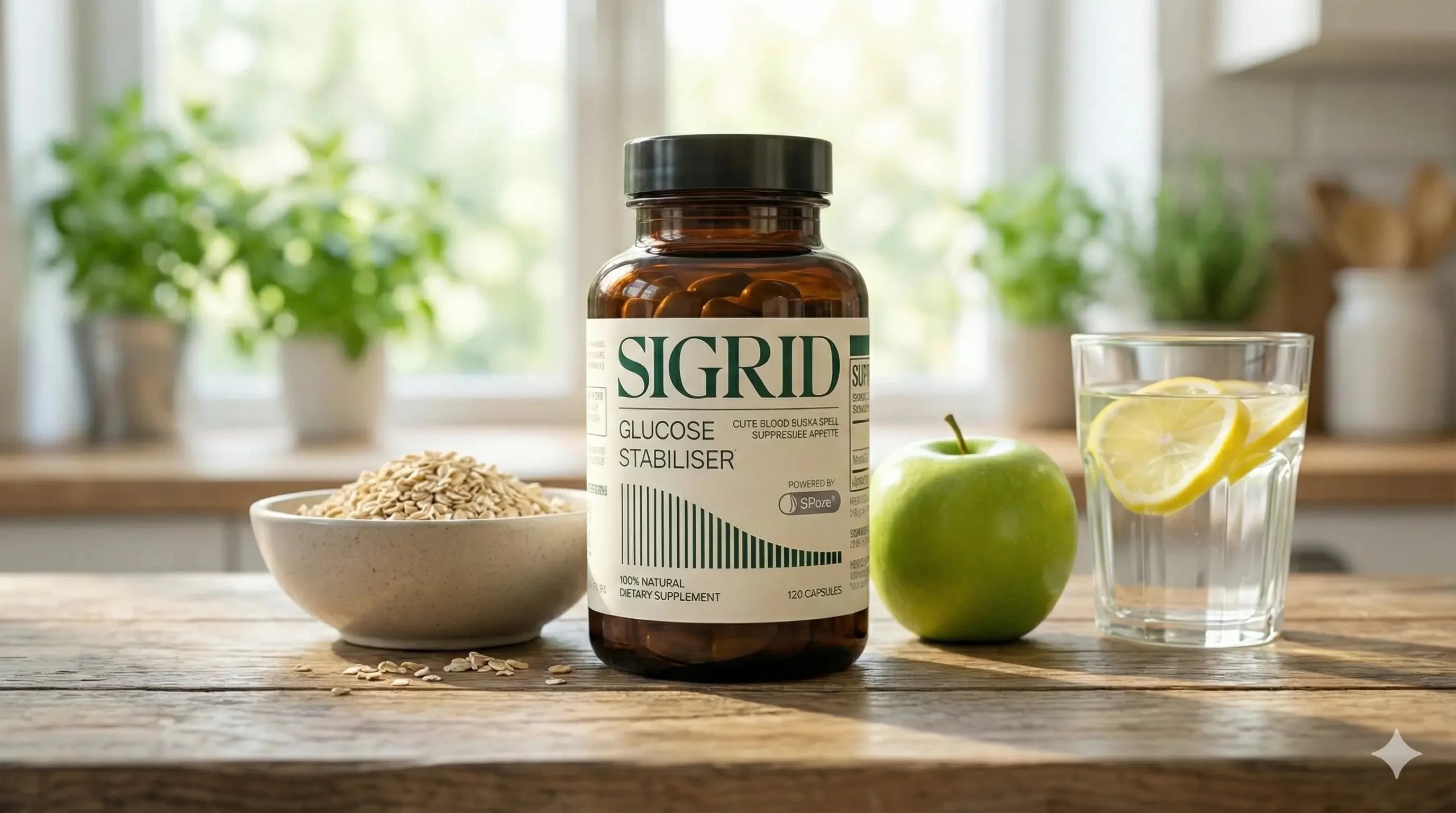
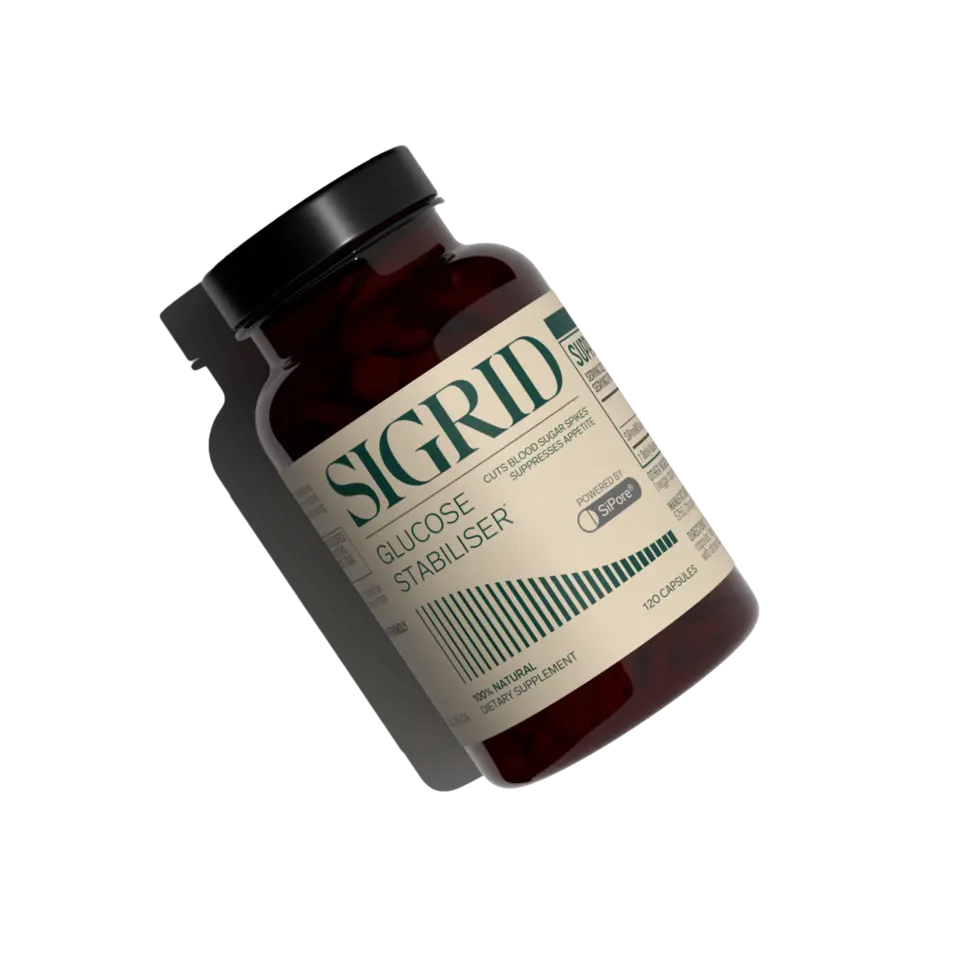
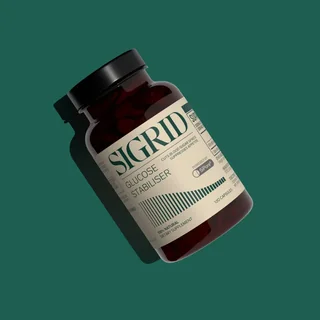
Glucose Stabilizer is a dietary supplement in capsules for everyday metabolic support. It helps manage post-meal glucose responses and supports appetite control. In a consumer survey of Glucose Stabilizer users (N=79), 75% experienced fewer post-meal energy dips.
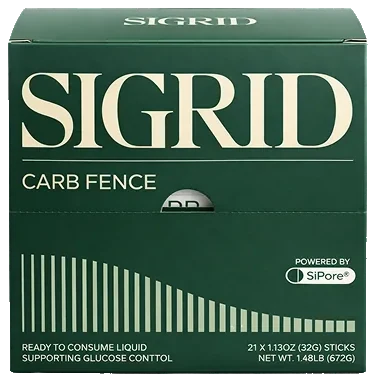
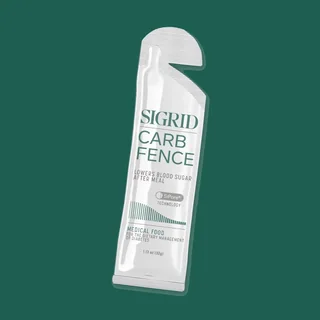
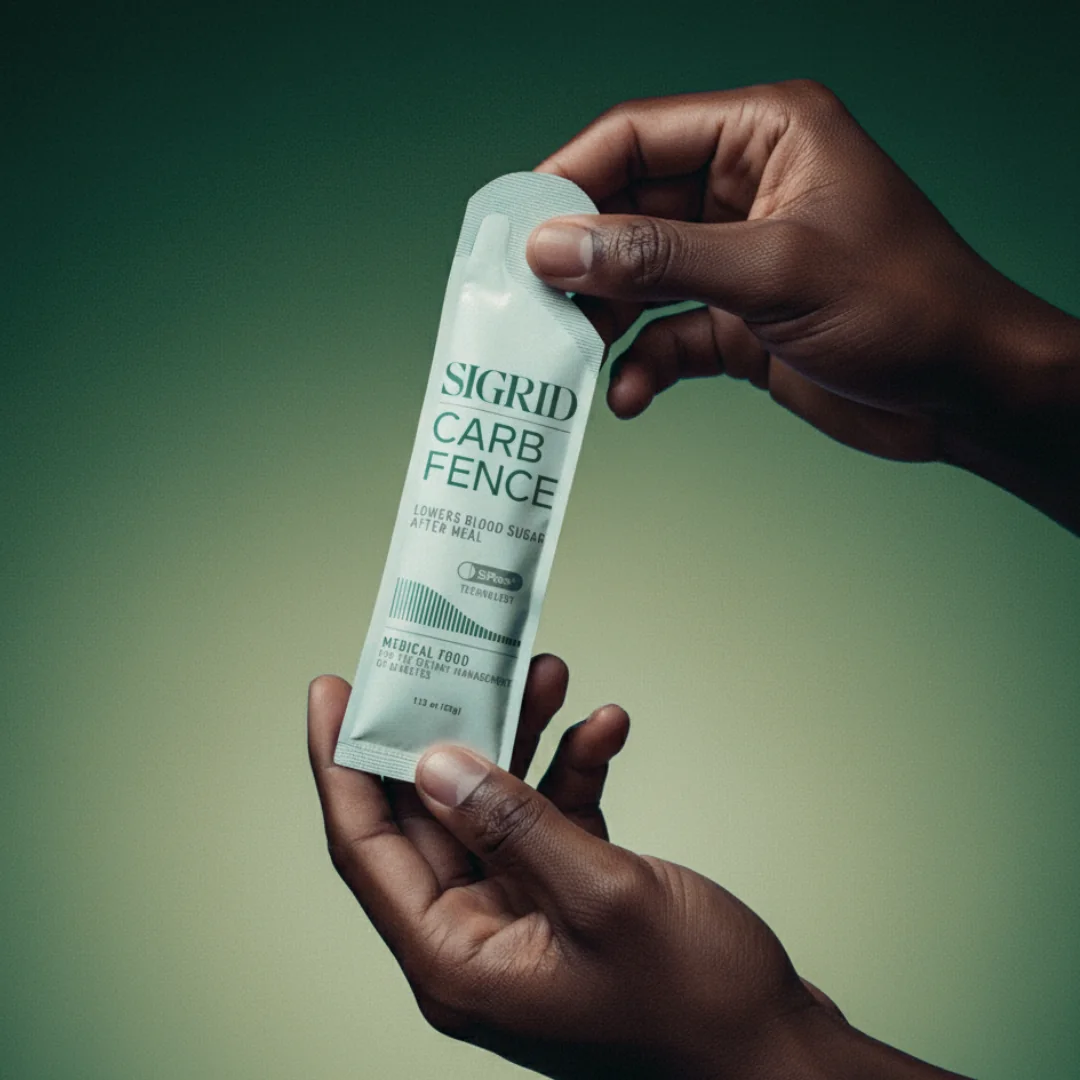
Carb Fence™ is a medical food in liquid sachets, taken with a meal. In a placebo-controlled clinical study, it cut post-meal blood sugar peaks. Carb Fence™ is intended for the dietary management of impaired carbohydrate metabolism and should be used under the guidance of your physician. Available in the US.
Use one product per meal, not both. Neither replaces the habits above; they work best together.
Enjoy every bite. The best holiday habit is sitting down with the people you love, and getting up from the table feeling good.
Frequently asked questions
Is the turkey what makes me sleepy?
Turkey gets the blame because it contains tryptophan, but so do many other protein foods. The size of the meal and the amount of quick carbs on the plate play a much bigger role in how tired you feel.
Should I skip carbs at holiday meals?
No. Holiday food is part of the joy. Eating vegetables and protein first, and walking afterwards, lets you enjoy the potatoes and pie with a gentler rise in blood sugar.
Is one big meal bad for me?
One meal is just one meal. Your everyday routine matters far more than a single celebration.
Can I take SIGRID with every holiday meal?
Glucose Stabilizer is taken with meals as part of your daily routine. Carb Fence™ is taken one sachet per meal, up to three times a day, under the guidance of your physician. If you take medication or have a medical condition, check with your doctor first.
This article is for general information and is not a substitute for medical advice.