


You finished breakfast twenty minutes ago and you are already wondering what is for lunch. In the middle of a meeting, your mind drifts to the biscuits in the kitchen. You are not hungry, exactly. You are just... thinking about food. Constantly.
That background hum has a name: food noise. It is one of the most talked-about experiences in modern eating, and it is far more common than people admit. Here is what it is, what may be driving it, and what can help turn the volume down.
- Food noise is persistent, intrusive thinking about food that is not tied to true physical hunger.
- It is different from hunger, from cravings and from "being greedy."
- Blood sugar swings after meals can contribute to it, along with sleep, stress and eating patterns.
- Balanced meals, regular timing and slower digestion can all help.
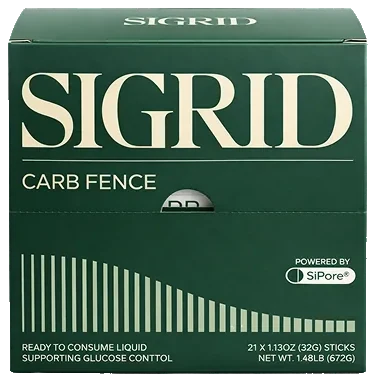
- SiPore® works locally in the gut to slow the breakdown of carbohydrates and fats, supporting steadier energy after meals.
So what is food noise, exactly?
Food noise describes the constant mental chatter about food: what you will eat next, what is in the fridge, whether you should have a snack, how you could have a snack without anyone noticing. It can feel like a radio you cannot switch off.
It is not the same as planning meals, which is useful. It is the intrusive, repetitive quality that sets it apart, the sense that food is taking up space you would rather spend on other things.
Many people describe it as a relief to finally have a word for it. If you have ever felt that your thoughts about food were louder than they should be, you are far from alone.

Food noise, hunger and cravings are not the same thing
It helps to separate three experiences that often get lumped together.
| What it feels like | Typical trigger | |
|---|---|---|
| Hunger | Gradual; stomach growling, low energy; almost any food will do | Time since last meal |
| Craving | Sudden and specific; usually sweet, salty or crunchy | Often a blood sugar dip, stress or habit |
| Food noise | Persistent mental chatter; thinking about food even when not hungry | A mix of biology, habit and environment |
These can overlap. A craving can start a loop of food noise, and food noise can make a craving harder to ignore. Naming which one you are experiencing is a useful first step.
Why does food noise happen?
There is rarely a single cause. Several things tend to work together.
Blood sugar swings
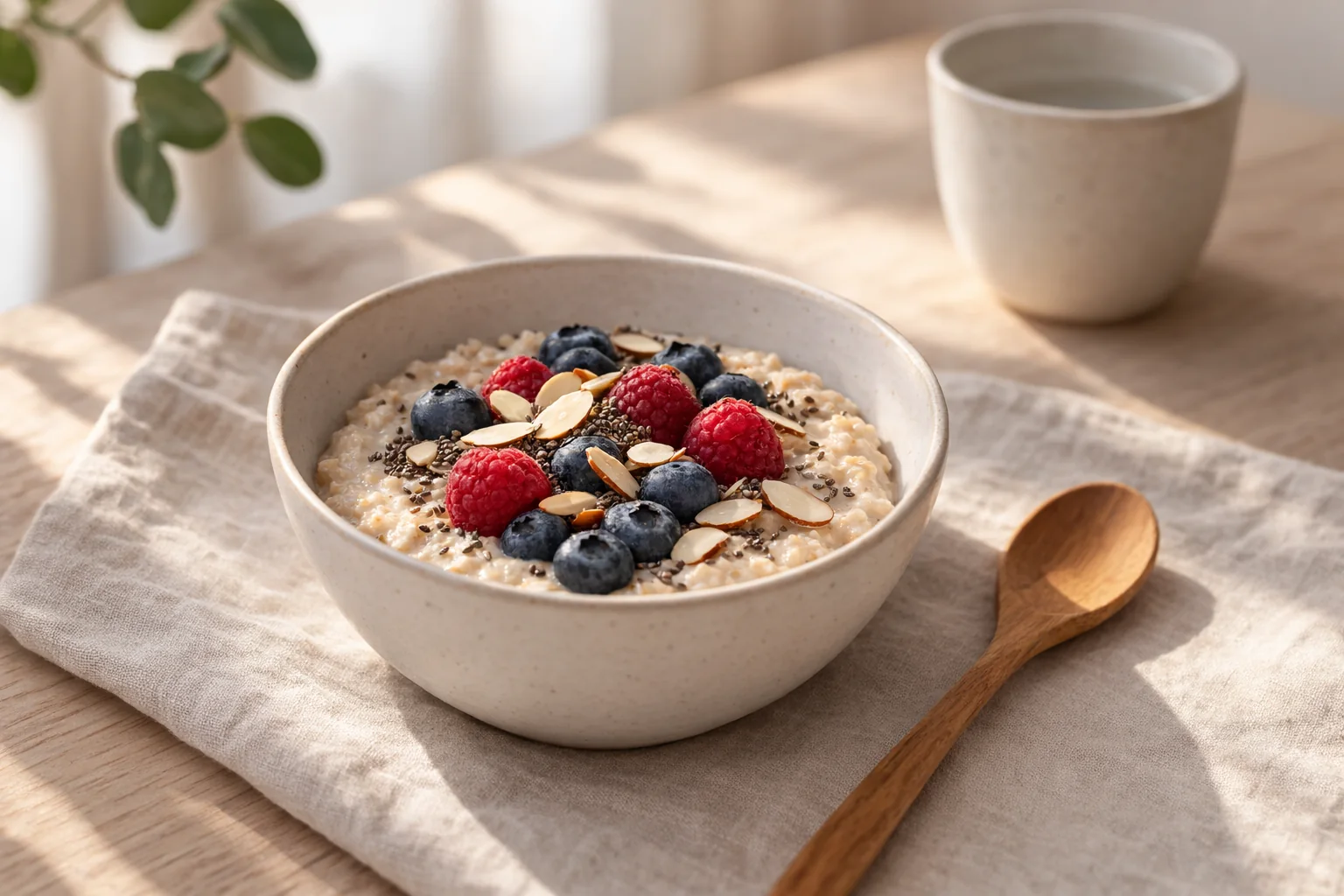
After a meal that digests quickly, blood sugar can rise fast and then fall. That drop signals to your body that more energy is needed, and your mind tends to follow, circling back to food long before your body actually requires it. A pastry or sweet coffee for breakfast, for example, can leave the mind returning to food well before lunch, while a breakfast with protein, fiber and fat usually produces a quieter morning.
Under-eating or long gaps
If you skip meals or eat very little earlier in the day, your mind often compensates by thinking about food more. Restriction tends to make food noise louder, not quieter.
Sleep and stress
When you are tired or stressed, appetite signals can feel less reliable and comfort food becomes more appealing. This is one reason food noise can be worse on hard days.
Environment and habit
Constant access to food, advertising, social media and routine ("I always have something at 4 pm") can keep food on your mind.
Highly processed food
Foods designed to be hyper-palatable are easy to overeat and less likely to leave you satisfied. They also tend to digest quickly.
It is not a willpower problem
Because food noise is mental, people often assume it is something they should be able to think their way out of. But it is not a discipline issue, and white-knuckling it rarely works.
The most helpful framing is practical: food noise is a signal. If you can identify what is feeding it, whether it is a blood sugar rollercoaster, under-eating, poor sleep or a habit, you can address that directly.
Practical ways to turn the volume down
- Eat enough, earlier. A proper breakfast and lunch tend to quiet the afternoon.
- Build meals around protein and fiber. They digest more slowly and are more satisfying.
- Do not eat carbohydrates alone. Pair them with protein or fat.
- Keep regular meal times. Predictability helps your body and mind settle.
- Notice what is actually happening. Pause and ask: am I hungry, craving something, or bored, tired or stressed?
- Reduce liquid sugar. Sweet drinks digest fast and can leave you wanting more.
- Protect your sleep. Everything about appetite feels easier after a good night.
- Get moving, gently. A short walk after meals can help.
- Be kind to yourself. Self-criticism tends to make preoccupation with food stronger.

A day with food noise
Food noise is easy to describe in the abstract and surprisingly familiar once you see it in a normal day.
7:30 am. Breakfast is a sweet latte and a pastry. By 9:15, you are already wondering what is for lunch.
11:00 am. In the middle of a meeting you catch yourself planning a snack: where you will get it, whether anyone will notice, whether you "deserve" it.
1:00 pm. Lunch is a rushed sandwich at your desk. Twenty minutes later, you are thinking about something sweet.
4:00 pm. The thoughts are loud now. You are not exactly hungry, but food is on your mind almost constantly.
9:00 pm. After dinner, you are still opening the fridge, mostly out of habit.
If this feels familiar, it is not a flaw in your character. It is a pattern, and patterns can be adjusted.
The most common triggers of food noise
Everyone's mix is different, but these come up most often.
- Skipped or small breakfasts. The mind tends to compensate for under-eating by thinking about food more.
- Fast-digesting meals. Meals made mostly of refined carbohydrates can leave you hungry, and thinking about food, sooner.
- Poor sleep. Tired people tend to find food more rewarding and appetite louder.
- Chronic stress. Stress changes how we feel about food, and comfort eating is a very human response.
- Constant exposure. Open-plan kitchens, snack drawers, delivery apps and social media make food visible all day.
- Dieting and restriction. The more a food is off-limits, the more mental space it can occupy.
- Boredom and routine. Many "food thoughts" are really "I need a break" thoughts.
Myths about food noise
Myth 1: It means you are greedy. Food noise is common, and it has nothing to do with morality.
Myth 2: It is always about hunger. It frequently shows up when you are well fed.
Myth 3: Stricter rules will quiet it. For many people, the opposite is true. Restriction tends to turn the volume up.
Myth 4: It is purely psychological. Biology, sleep, stress and habits all play a part. It is useful to treat it as a mix rather than a single cause.
Myth 5: There is nothing you can do. There is a lot you can try, and small changes often add up.
A gentle plan for the next seven days
You do not need to overhaul your life. Pick two or three of these and see how they feel.
- Day 1. Eat a breakfast with protein and fiber. Notice how the morning feels.
- Day 2. Keep a short note of when food thoughts are loudest. Time of day, mood, what you ate before.
- Day 3. Plan your afternoon snack in advance. Pair a carbohydrate with protein or fat.
- Day 4. Take a ten-minute walk after your largest meal.
- Day 5. Eat one meal without a screen, slowly, and notice when you feel satisfied.
- Day 6. Aim for a regular bedtime and see whether the next day feels different.
- Day 7. Look back at your notes. What patterns stand out? What helped?
This is not about perfection. It is about learning what makes your own volume go up and down.
How SiPore® supports steadier energy
SiPore® is a patented technology based on precisely engineered porous silica particles. It works locally in the gut during digestion and does not enter the bloodstream. Evidence from preclinical research shows that its pores entrap a portion of the digestive enzymes that break down carbohydrates (amylase) and fats (lipase), slowing the breakdown of both so that energy from a meal enters the system more gradually.
A steadier arrival of energy means gentler swings in blood sugar. In a placebo-controlled clinical study, SiPore® technology was shown to reduce post-meal glucose spikes.

Glucose Stabilizer, for everyday support
SIGRID Glucose Stabilizer is a dietary supplement for everyday metabolic support, powered by SiPore®. It supports appetite control, helps reduce the urge to snack and helps manage post-meal glucose responses.
In a consumer survey of 152 users, 89% reported a reduced urge to snack, 93% felt fuller for longer and 83% experienced fewer sugar cravings. In a consumer survey of 79 users, 75% experienced fewer post-meal energy dips.
Consumer survey results; individual experiences vary.

Carb Fence™, for dietary management
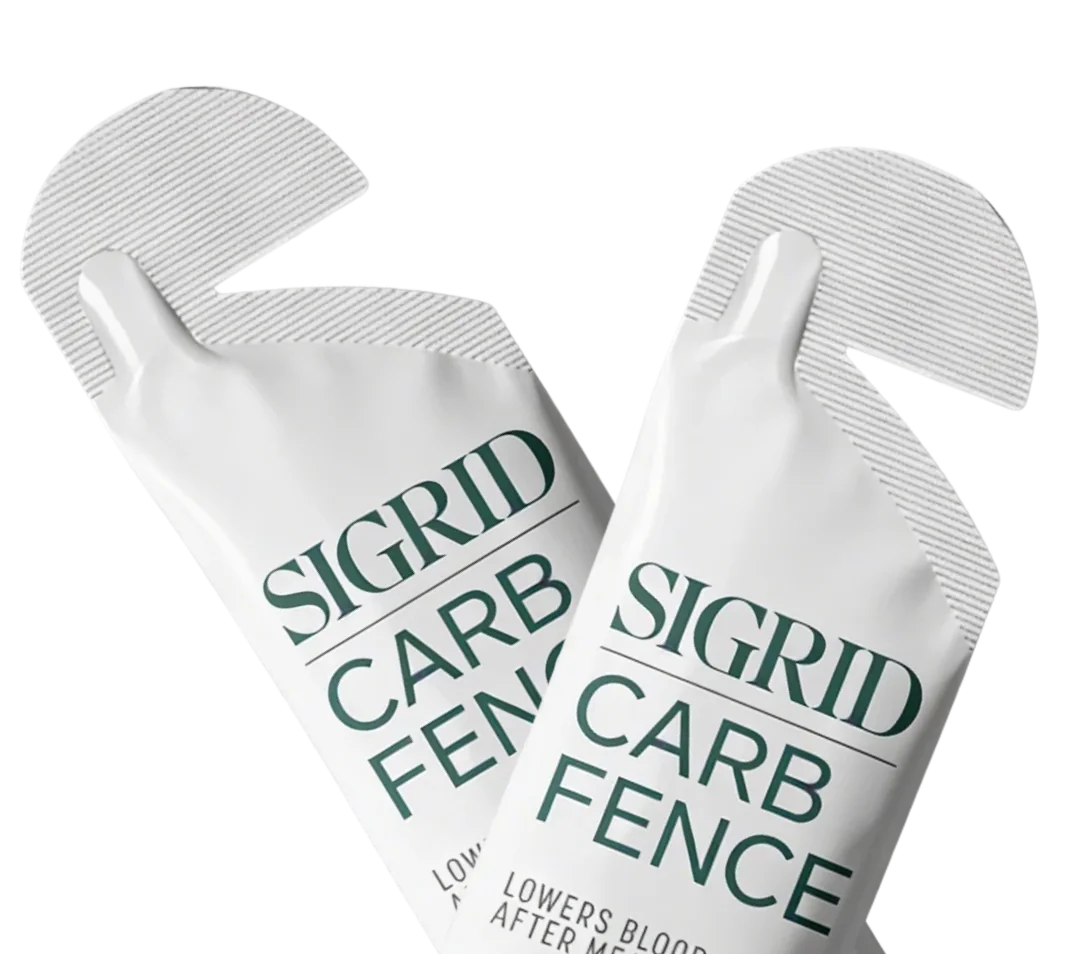
Carb Fence™ is a medical food in liquid sachet form, powered by SiPore®, intended for the dietary management of impaired carbohydrate metabolism and used under the supervision of a healthcare professional. It is available in the United States.
Carb Fence™ supports appetite control, helps reduce sugar cravings and promotes satiety and fullness. In a real-world evidence study of 69 participants:
- Hunger was down 19%
- The urge to snack was down 30%
- Sugar cravings were down 25%
- 83% reported a less frequent desire to snack
In a consumer survey of 46 users, 87% noticed a reduced urge to snack and 83% experienced fewer post-meal energy dips.
Carb Fence™ is designed to be used alongside standard medical care and dietary guidance.
When to talk to a professional
If thoughts about food feel overwhelming, are causing you distress, or are connected to restrictive eating, please speak with a healthcare professional. You deserve support, and food noise is a valid thing to bring to an appointment.
The takeaway
Food noise is real, common and rarely a sign of weak willpower. By supporting steadier energy after meals, eating enough, and paying attention to sleep and stress, many people find the volume goes down. And with SiPore®-powered products designed to work alongside your meals, you have another tool in the kit.
Maria Barcelos
Maria creates evidence-informed content for SIGRID, focusing on health, wellness, and lifestyle topics. She works closely with our team to research emerging trends and ensure that our articles are accurate, helpful, and aligned with our mission.
Is food noise the same as being hungry?
No. Hunger is a physical need for food. Food noise is persistent thinking about food that is not tied to true hunger. A fast rise and fall in blood sugar after a meal can contribute to it.
Why does food noise happen even after I have eaten?
Meals that digest quickly can lead to a sharp drop in blood sugar, which can send your mind back to food. Sleep, stress, habit and under-eating earlier in the day can also play a part.
How can Carb Fence™ help with food noise?
Carb Fence™ is a medical food for the dietary management of impaired carbohydrate metabolism, used under the supervision of a healthcare professional. It is powered by SiPore® and supports appetite control. In a real-world evidence study of 69 participants, the urge to snack was down 30%.
What else can help quiet food noise?
Eating enough earlier in the day, building meals around protein and fiber, regular meal timing, good sleep, gentle movement and not eating carbohydrates alone.
Is food noise something I should see a professional about?
If it is distressing, takes up a lot of your day or is linked to restrictive eating, speak with a healthcare professional.